Monday, November 18, 2024

Common Myths About Online Live Chat Jobs

Common Myths About Online Live Chat Jobs

Debunking the Myths Surrounding Online Live Chat Jobs

Hey everyone! So you're curious about online live chat jobs? That's awesome! It's a field that's growing rapidly, offering flexibility and the potential for decent earnings. But, like any job market, it’s surrounded by a bunch of myths. Let's dive in and clear up some of the most common misconceptions.

Myth #1: It's Only for People with Amazing Typing Skills

Okay, let's be real. Speed is helpful, especially when you're dealing with a queue of customers. But it's far from the *only* thing that matters. Strong communication skills are way more crucial. Think about it: you're representing a company, solving problems, and often dealing with frustrated customers. Can you calmly and clearly explain complex issues? Can you empathize and build rapport? That's what really makes or breaks a live chat agent. Good typing speed is a plus, but exceptional communication skills are the key.

What's more important than speed?

  • Active listening skills
  • The ability to understand customer needs
  • Problem-solving abilities
  • Patience and empathy
  • Professionalism

You can improve your typing speed with practice, but honing your communication skills takes time and effort. Focus on those, and the typing will follow.

Myth #2: You Need a Degree or Special Certification

Nope! This is a big one. While some companies might prefer candidates with relevant experience or a degree in a related field (like customer service or communications), it’s definitely not a requirement for most entry-level positions. Many companies are more interested in your personality, communication skills, and ability to learn quickly. They'll train you on their specific systems and procedures. Think of it as an opportunity to upskill!

However, having relevant certifications, like those focused on customer service or specific software, can certainly boost your chances of getting hired and potentially command a higher salary.

Myth #3: It's Easy Money, and Anyone Can Do It

This is a dangerous misconception. While the work *can* be relatively easy for some people, it's not a get-rich-quick scheme. It requires focus, patience, and the ability to handle stressful situations. You're dealing with real people who might be angry, frustrated, or confused. You need to be able to de-escalate situations, provide helpful solutions, and maintain a professional demeanor throughout. And, let's be honest, some days will be busier and more demanding than others.

The pay varies widely depending on the company, your experience, and location. It's usually hourly, but some companies might offer bonuses based on performance metrics.

Myth #4: You Can Work Whenever You Want, With No Restrictions

While many online live chat jobs offer flexibility, it’s rarely “whenever you want, no restrictions.” Most companies have specific shift requirements, often involving peak hours. You'll likely need to commit to a certain number of hours per week, and those hours will probably align with when most customers are online (which often means evenings and weekends). This isn’t necessarily a negative; many people appreciate the structure of set hours even within the flexible work environment.

Myth #5: It's a Temporary Job With No Growth Potential

Think again! While some people use live chat jobs as temporary gigs, there's definitely room for growth within the field. Many companies offer opportunities for advancement â€" you might become a team lead, trainer, or move into other customer service roles within the organization. You'll gain valuable experience in communication, problem-solving, and customer relations, making you a more attractive candidate for a variety of future jobs.

Plus, the skills you develop are highly transferable to other fields. Learning to communicate effectively with customers, manage your time, and solve problems on the fly is invaluable in almost any professional setting.

Myth #6: You'll Be Dealing with Rude Customers All Day

It’s true that you'll encounter some difficult customers. But, for the most part, most customers are generally polite and understanding. Good customer service training will teach you strategies to handle difficult situations professionally and efficiently. Remember, you're not alone! You'll usually have access to supervisors or team leaders for support when needed.

Myth #7: The Pay is Always Low

The truth is that the pay can vary quite a bit, ranging from minimum wage to significantly more depending on the company, the required skills, and your experience. Companies who require specialized knowledge or advanced skills may offer more competitive salaries. Location also matters, as some areas have a higher cost of living which necessitates higher wages. Researching various companies and comparing their offered wages is crucial before applying.

Commonly Asked Questions

Here are some frequently asked questions to address any lingering doubts:

Q: Do I need any special equipment?

A: Generally, you'll need a computer, a reliable internet connection, and a headset with a microphone. Some companies may provide additional equipment.

Q: What kind of training can I expect?

A: Most companies provide training on their systems, procedures, and products. This can vary from online modules to on-the-job training with a supervisor.

Q: How do I find online live chat jobs?

A: Check job boards like Indeed, LinkedIn, and company websites. Look for keywords such as "live chat agent," "customer service representative," or "online chat support."

Q: What are the hours like?

A: This varies widely depending on the company and your contract. Expect some evening and weekend shifts as this is when many customers require help.

Q: What if I make a mistake?

A: Mistakes happen! Most companies have systems in place to help you learn from errors, and support staff to assist you when needed.

I hope this helped clear up some misconceptions about online live chat jobs. It's a dynamic field with opportunities for growth and flexibility. Do your research, apply for positions that are a good fit, and remember to showcase your communication skills â€" they’re your greatest asset!

Web Chat Jobs: The Future of Customer Service Roles

Web Chat Jobs: The Future of Customer Service Roles

Web Chat Jobs: The Future of Customer Service Roles

The digital age has fundamentally reshaped how businesses interact with their customers. Gone are the days when a phone call was the primary method of addressing customer inquiries. Today, web chat reigns supreme, offering instant, convenient support that caters to the fast-paced lifestyles of modern consumers. This shift has not only revolutionized customer service but has also created a surge in demand for skilled web chat agents, signaling a bright future for this evolving profession.

The Rise of Web Chat as a Preferred Communication Channel

Consumers increasingly prefer web chat for several compelling reasons. Its immediate availability eliminates frustrating wait times associated with phone calls. The ability to multitaskâ€" addressing customer inquiries while simultaneously browsing a website or completing other tasksâ€" adds to its appeal. Furthermore, a detailed chat transcript provides a readily accessible record of the interaction, benefiting both the customer and the business for future reference. This ease of use and efficiency have propelled web chat to the forefront of customer service strategies, transforming it from a supplemental channel into a primary mode of communication for many businesses.

Essential Skills for Web Chat Agents

While the role of a web chat agent might seem straightforward, success requires a unique blend of skills. Beyond strong typing skills and basic computer literacy, effective agents need exceptional communication abilities. They must articulate complex information concisely and empathetically, adapting their tone and style to individual customer needs. Problem-solving is paramount; agents must quickly diagnose issues and provide accurate, efficient solutions. Technical proficiency in relevant software and company systems is also crucial, ensuring seamless navigation and prompt responses.

Beyond the Basics: Soft Skills Matter Most

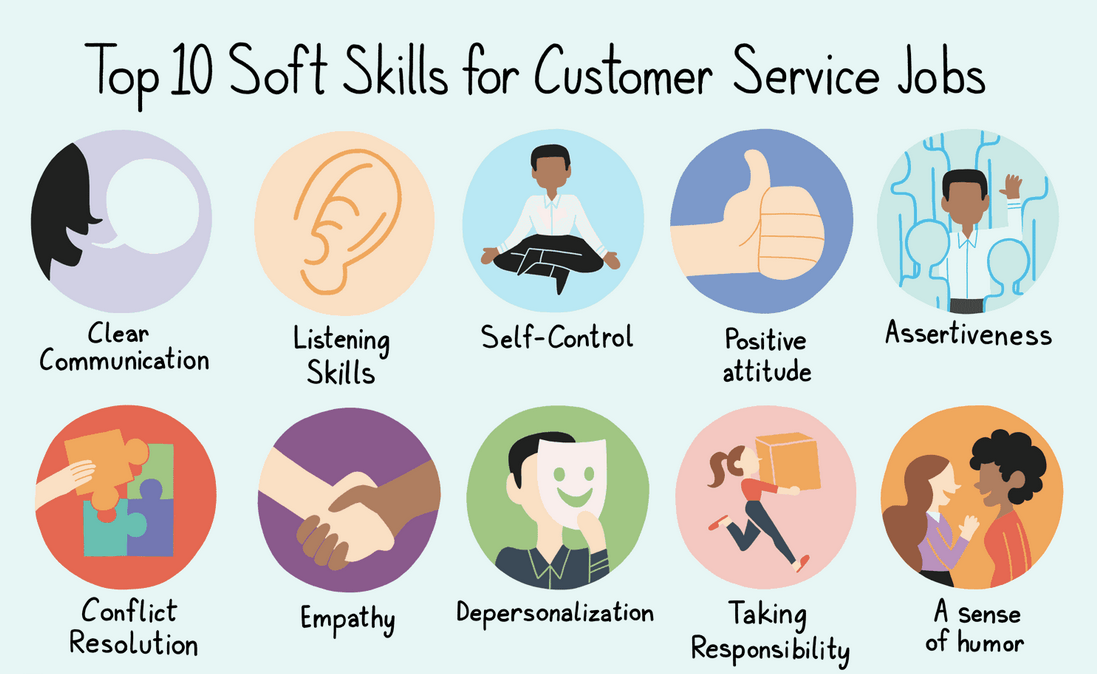
Beyond technical expertise, soft skills play a pivotal role in determining a web chat agent's effectiveness. Patience and a calm demeanor are essential when dealing with frustrated or demanding customers. Active listening ensures the agent fully understands the customer's concerns. Empathy allows for personalized responses that build rapport and foster positive customer experiences. Finally, strong organizational skills allow agents to manage multiple chats simultaneously without sacrificing quality or responsiveness. This blend of technical and interpersonal abilities forms the foundation of a successful career in web chat.

Career Progression and Opportunities

The field of web chat support offers significant career progression opportunities. Proficient agents can advance to supervisory roles, overseeing teams and optimizing chat processes. Others might specialize in specific areas, such as technical support or sales, becoming subject matter experts within their respective domains. Furthermore, the skills honed as a web chat agent are highly transferable, opening doors to related fields like social media management, online marketing, or even customer success roles. The versatility and growing demand associated with this profession ensures a robust and rewarding career path.

Advantages of a Career in Web Chat

A career in web chat offers several attractive advantages. Many companies offer flexible work arrangements, allowing for remote work and tailored schedules. The industry offers consistent training and development opportunities, equipping agents with in-demand skills. The competitive salaries reflect the growing importance of this customer service function. Moreover, the ever-evolving nature of the field keeps the work engaging and intellectually stimulating.

The Future of Web Chat Jobs

The future of web chat jobs looks exceptionally promising. As businesses increasingly rely on online communication, the demand for skilled web chat agents will only intensify. The integration of artificial intelligence (AI) and automation will undoubtedly impact the field, but rather than replacing human agents, it will likely augment their capabilities, allowing them to focus on more complex and nuanced interactions. This symbiotic relationship between human expertise and technological advancements will redefine the web chat agent role, creating even more specialized and rewarding career opportunities in the years to come.

In conclusion, web chat jobs represent a dynamic and expanding sector within the customer service industry. The skills acquired are highly sought after, opening doors to diverse career paths and ensuring job security in a constantly evolving digital landscape. For those seeking a challenging, rewarding, and future-proof career, a role in web chat support may just be the perfect fit.

Negotiating Salary for Web Chat Jobs: Know Your Worth

Negotiating Salary for Web Chat Jobs: Know Your Worth

Negotiating Salary for Web Chat Jobs: Know Your Worth

Landing a web chat job is exciting! It's a dynamic role blending communication skills with technical savvy. But securing the salary you deserve requires preparation and confidence. This guide arms you with the knowledge and strategies to navigate salary negotiations effectively, ensuring you're fairly compensated for your skills and experience.

Researching the Market Value of Your Skills

Before you even consider a salary figure, thoroughly research the market rate for web chat agents with your experience level and skillset. Don't rely solely on job postings; actively seek out salary data. Websites like Glassdoor, Salary.com, and Payscale offer valuable insights into average salaries, factoring in location, company size, and specific job responsibilities. Look for roles that closely mirror your own â€" consider factors like the type of industry (e.g., e-commerce, tech support, healthcare), required languages, and the complexity of the chat platform used. The more specific your search, the more accurate your salary range estimate will be.

Considering Your Unique Value Proposition

Your research provides a baseline, but remember you bring unique skills and experiences to the table. Consider these factors when determining your worth: Do you possess specialized technical knowledge, like experience with specific CRM or chat software? Are you multilingual? Do you excel in handling complex customer issues or de-escalating challenging situations? Quantify your achievements whenever possible. For example, if you've consistently exceeded customer satisfaction targets in previous roles, highlight these successes with concrete numbers. This demonstrates your value and justifies a higher salary expectation.

Preparing for the Salary Negotiation

Salary negotiations aren't about demanding; they're about presenting a confident and well-supported case. Begin by identifying your target salary range (minimum, ideal, and maximum). This range should reflect your research and the value you bring. Practice articulating why you deserve your desired salary. Focus on your skills, experience, and accomplishments, highlighting their relevance to the specific job requirements. Prepare answers to potential questions about your salary expectations, emphasizing your confidence in your abilities and value to the company. Role-playing with a friend or mentor can help refine your delivery and build your confidence.

Strategies for a Successful Negotiation

When the salary discussion arises, approach it professionally and proactively. Avoid immediately stating a number; instead, let the employer initiate the conversation. Once they present an offer, take time to consider it before responding. If the offer is lower than your target range, express your appreciation but politely counter with your desired salary, justifying your request using the research and evidence you've compiled. Be prepared to negotiate, but also be realistic. Consider the overall package â€" benefits, opportunities for growth, and company culture â€" as these contribute to your overall compensation.

Navigating Difficult Scenarios

Negotiations don't always go smoothly. If the employer firmly refuses to budge on their initial offer, consider asking for something else besides a direct salary increase. This could include additional paid time off, professional development opportunities, a quicker promotion timeline, or improved benefits. Alternatively, respectfully decline the offer if it significantly falls below your minimum acceptable salary. Remember, your worth is reflected in your skills and experience. Don't undervalue yourself to secure a position.

Key Takeaways

Negotiating a salary requires preparation, confidence, and a clear understanding of your worth. By researching market rates, quantifying your skills, and practicing your negotiation strategy, you'll significantly improve your chances of securing a fair and competitive salary for your web chat job. Remember, your value extends beyond a number â€" it's about finding a role that offers both compensation and professional fulfillment.

  • Thoroughly research market rates for similar roles.
  • Quantify your achievements and unique skills.
  • Develop a clear salary range before negotiations.
  • Practice articulating your worth confidently.
  • Be prepared to negotiate and consider the overall package.

Sunday, November 17, 2024

What You Should Know Before Starting a Job in Online Customer Service

What You Should Know Before Starting a Job in Online Customer Service

So You Want to Be an Online Customer Service Rockstar? Here's the Deal

Hey there! So, you're thinking about diving into the world of online customer service? Awesome! It's a dynamic field with tons of opportunities, but it's not all rainbows and sunshine. Before you jump in headfirst, let's chat about some things you *really* should know. This isn't your average 9-to-5, so buckle up!

The Reality Check: It's Not Always Easy Peasy

Let's get one thing straight: online customer service can be tough. You're going to face frustrated customers, demanding clients, and sometimes, downright rude people. It's a high-pressure environment where your ability to remain calm, collected, and professional, even when faced with negativity, is key. Think of it like being a therapist, mediator, and superhero all rolled into one â€" sometimes all at the same time!

Dealing with Difficult Customers

Expect the unexpected. You'll encounter people who are stressed, angry, or just plain difficult. Learning de-escalation techniques is crucial. Think active listening, empathy, and finding solutions. Sometimes, a simple "I understand your frustration" can go a long way. Don't take it personally â€" it's rarely about you; it's usually about their situation.

The Emotional Toll

This job can be emotionally draining. You're absorbing other people's negativity all day long. It's important to have healthy coping mechanisms, like taking breaks, practicing self-care, and maybe even talking to a friend or family member about your day. Don't underestimate the impact of constantly dealing with upset customers; prioritize your mental wellbeing.

The Tech Side of Things: More Than Just Typing

While it's mostly typing, online customer service requires a surprising amount of technical skill. You'll need to be comfortable navigating various software programs, CRM systems (Customer Relationship Management), ticketing systems, and possibly even live chat platforms. You'll also be dealing with different technologies depending on the company and the products/services they offer.

Software Proficiency

Expect to learn new software quickly. Companies often use proprietary systems, so be prepared for a learning curve. Good typing skills are essential, of course, but accuracy is even more important. One typo in a crucial piece of information can lead to a bigger problem.

Troubleshooting Skills

You'll need to be a problem solver. Often, you'll be the first line of defense for customers facing technical issues, shipping problems, or billing questions. Strong analytical and troubleshooting skills are invaluable here. You’ll often have to diagnose problems based on limited information, so clear communication is key.

The Skills You'll Need (Beyond Typing): Soft Skills Matter Most

Surprisingly, technical skills are only part of the equation. The “soft skills” are arguably even more important for success in online customer service. These skills are what separate the good from the great.

Communication is King (and Queen!)

Excellent written communication is non-negotiable. You need to be able to express yourself clearly, concisely, and professionally, even under pressure. Grammar and spelling matter! You're representing the company, so professionalism is key.

Empathy and Patience

You’ll be dealing with all sorts of people, many of whom are already upset or frustrated. Empathy and patience are essential for navigating challenging interactions. Put yourself in their shoes and try to understand their perspective â€" even if you don’t necessarily agree with them.

Problem-Solving Prowess

You'll be constantly troubleshooting issues and finding solutions. Think creatively, be resourceful, and don't be afraid to ask for help when needed. Sometimes, the solution isn't obvious, so a willingness to learn and adapt is crucial.

Time Management and Organization

Online customer service often involves juggling multiple requests simultaneously. Effective time management and organizational skills are crucial to keep things running smoothly and efficiently. Prioritization is key â€" you need to address urgent issues first.

The Perks (Yes, There Are Perks!)

Despite the challenges, there are many benefits to working in online customer service. It’s not all doom and gloom!

  • Flexible work arrangements: Many online customer service roles offer flexible hours or remote work options, providing a great work-life balance.
  • Opportunities for growth: It's a stepping stone to other roles within a company. You gain valuable customer interaction, communication, and problem-solving skills, which are transferable to many other careers.
  • Skill development: You'll constantly learn new things, from software and technologies to different products or services. This continuous learning can be very rewarding.
  • Making a difference: You directly impact customer satisfaction, which can be very satisfying. Helping people solve their problems can be incredibly rewarding.
  • Before You Apply: Do Your Homework

    Before applying for any online customer service role, do your research. Look at the company's reputation, read reviews from current and former employees, and understand the products or services they offer. Understanding the company's culture and values is crucial â€" you want to work somewhere that aligns with your own.

    Commonly Asked Questions

    Q: What kind of salary can I expect? A: Salaries vary widely depending on experience, location, company, and the complexity of the role. It's best to research specific job postings to get a better idea.

    Q: Do I need a college degree? A: Not always. While some companies prefer candidates with a college degree, many prioritize experience and skills over formal education.

    Q: What kind of training will I receive? A: Most companies provide comprehensive training on their software, products, and customer service protocols. The extent of training varies from company to company.

    Q: How do I deal with abusive customers? A: Your company should have policies in place to handle abusive interactions. You might be able to disconnect the chat or escalate the issue to a supervisor. Your well-being is important!

    Q: Is this a good career path? A: That depends on your personality and goals. If you enjoy helping people, are comfortable with technology, and can handle pressure, it can be a very rewarding career path. It’s also a great stepping stone into other fields!

    Well, there you have it! Hopefully, this gives you a realistic view of what it's like to work in online customer service. Remember, it’s challenging but also incredibly rewarding. Good luck!

    Online Chat Support Jobs: A Comprehensive Guide for Starters

    Online Chat Support Jobs: A Comprehensive Guide for Starters

    Online Chat Support Jobs: A Comprehensive Guide for Starters

    Hey there! So you're thinking about diving into the world of online chat support? Awesome! It's a fantastic field with tons of opportunities, and I'm here to give you the lowdown on everything you need to know to get started. Think of this as your friendly guide, no corporate jargon, just plain talk.

    What is Online Chat Support Anyway?

    Simply put, online chat support is providing customer service through a live chat interface on a company's website or app. You're the friendly voice (or text, in this case!) that helps customers solve problems, answer questions, and generally have a positive experience. Imagine it as being a virtual receptionist, but instead of phones, you use text. It's fast-paced, engaging, and can be incredibly rewarding.

    Types of Online Chat Support Jobs

    The world of online chat support isn't a one-size-fits-all kind of deal. There are many different niches and specializations, each with its own flavor.

    Technical Support:

    This is where you'll be helping customers troubleshoot technical issues with software, hardware, or websites. Think of it as being a digital detective, solving tech mysteries one chat at a time. You'll need a solid understanding of technology and a knack for explaining complex things simply.

    Customer Service Support:

    This is the broadest category. You'll be handling a wider range of inquiries, from order status updates and shipping information to answering general questions about a company's products or services. Good communication skills and patience are key here!

    Sales Support:

    In this role, you'll be helping customers navigate the buying process, answering questions about products and guiding them towards making a purchase. Think of it as being a friendly sales assistant, but in a digital space. You'll need a persuasive personality and strong product knowledge.

    Social Media Support:

    Many companies use chat features within their social media platforms. You'll be responding to comments, messages, and direct messages, managing the company's online reputation and providing quick customer assistance.

    Skills You'll Need to Succeed

    So, you're ready to jump in? Awesome! But before you do, let's talk about the skills you'll need to really shine in this field:

    • Excellent communication skills: This is the BIG one. You need to be able to communicate clearly, concisely, and empathetically, even through text. Think about how you can convey tone and emotion without the benefit of facial expressions.
    • Typing speed and accuracy: You'll be handling multiple chats at once, so speed and accuracy are essential. Practice your typing skills if you feel you need to improve. There are free online typing tests available.
    • Problem-solving skills: You'll be tackling a wide array of customer problems, so the ability to think on your feet and find solutions quickly is crucial.
    • Patience and empathy: Customers can sometimes be frustrated or upset. Staying calm, understanding their concerns, and offering solutions with empathy are vital for success.
    • Technical aptitude: Depending on the type of job, you might need a basic understanding of computers and software. Even in customer service roles, familiarity with CRM systems and other tools will be beneficial.
    • Multitasking abilities: You'll often be juggling multiple chats simultaneously, so strong multitasking skills are essential.
    • Attention to detail: Accuracy is key, whether it's providing accurate information or ensuring customer details are recorded correctly.

    Finding Online Chat Support Jobs

    Now for the fun part â€" finding the perfect job! There are several avenues you can explore:

    • Job boards: Sites like Indeed, LinkedIn, Glassdoor, and Monster are great places to start your search. Use keywords like "online chat support," "customer service representative," "live chat agent," etc.
    • Company websites: Check the careers pages of companies whose products or services you admire. Many companies hire their own chat support teams.
    • Freelance platforms: Sites like Upwork and Fiverr sometimes list online chat support gigs, particularly for short-term projects.
    • Networking: Talk to people in your network. You might be surprised who knows someone who's hiring!

    Tips for Your Job Application

    Your resume and cover letter are your first impression, so make them count:

    • Highlight relevant skills: Emphasize your communication, problem-solving, and technical skills. Quantify your achievements whenever possible (e.g., "Improved customer satisfaction scores by 15%").
    • Tailor your application: Customize your resume and cover letter for each job you apply for. Show the hiring manager that you understand their specific needs and requirements.
    • Proofread carefully: Typos and grammatical errors are a major turn-off. Have someone else review your application before you submit it.

    The Interview Process

    Once you land an interview, remember these tips:

    • Practice your answers: Prepare for common interview questions, such as "Tell me about a time you handled a difficult customer" or "How do you handle stress?".
    • Ask insightful questions: Show your interest by asking questions about the role, the company culture, and the team.
    • Be yourself: Let your personality shine through. Hiring managers want to see if you'd be a good fit for their team.

    Beyond the Basics: Tips for Success

    You've landed the job â€" congratulations! Now, here's how to thrive:

    • Master the chat platform: Familiarize yourself with the chat software your company uses. Most platforms offer training materials.
    • Learn company policies and procedures: Understand the company's guidelines for handling customer inquiries and resolving issues.
    • Seek feedback and learn from your mistakes: Don't be afraid to ask for feedback from your supervisor or colleagues. Every interaction is a learning opportunity.
    • Stay up-to-date on industry trends: The world of customer service is constantly evolving. Stay informed about new technologies and best practices.

    Commonly Asked Questions

    • Q: Do I need any special qualifications? A: While some roles may require specific technical skills or certifications, many entry-level positions only require excellent communication skills and a positive attitude.
    • Q: How much can I earn? A: Salaries vary widely depending on experience, location, and company. Research the average salary for online chat support jobs in your area.
    • Q: Can I work from home? A: Many online chat support jobs are remote, allowing you to work from the comfort of your own home. However, some roles may require on-site work.
    • Q: What are the downsides? A: The job can be demanding at times, requiring you to handle multiple chats simultaneously and deal with frustrated customers. It can also be isolating if you work remotely.
    • Q: What if I make a mistake? A: Everyone makes mistakes! The important thing is to learn from them and strive to do better next time. Most companies have systems in place to help you improve.

    There you have it! Hopefully, this guide has given you a good overview of online chat support jobs. It's a dynamic and rewarding field with lots of potential. Good luck with your job search â€" I'm rooting for you!

    Making the Most of Your Online Chat Support Career

    Making the Most of Your Online Chat Support Career

    Making the Most of Your Online Chat Support Career: Level Up Your Skills & Satisfaction

    Hey there! So you're working (or thinking about working) in online chat support? Fantastic! It's a dynamic field with tons of opportunities for growth. But let's be real, it can also be a whirlwind of instant messages, demanding customers, and the occasional tech glitch. This guide is here to help you navigate it all and truly thrive in your online chat support career.

    Mastering the Art of the Chat

    Online chat support isn't just about typing fast (though that helps!). It's about building rapport, understanding customer needs, and resolving issues efficiently and effectively. Think of it as a digital conversation, but with a little more pressure.

    The Power of Personalized Communication

    Forget the robotic responses. People crave connection, even online. Use the customer's name (if you have it!), and try to tailor your responses to their individual situation. Instead of a generic "I understand your frustration," try something like, "I understand you're frustrated because you're unable to access your account â€" let's get that sorted out for you right away."

    Active Listening is Key

    It’s tempting to jump in and offer solutions before fully grasping the problem. Resist that urge! Take the time to read carefully, ask clarifying questions, and make sure you truly understand the issue before you start troubleshooting. Paraphrasing their concern shows you're paying attention and actively listening: "So, if I understand correctly, you're having trouble with…"

    Keeping it Concise and Clear

    No one wants to wade through paragraphs of text in a chat. Get to the point, use bullet points where appropriate, and avoid jargon. Remember, you're communicating with someone who might not be as tech-savvy as you are.

    Handling Difficult Customers with Grace

    Let's face it â€" not every customer is going to be a dream. You'll encounter frustrated, angry, or even abusive individuals. Here's how to handle those tough situations:

    • Stay calm and professional: Their anger is their issue, not yours.
    • Empathize: Acknowledge their frustration. Even a simple "I understand your frustration" can go a long way.
    • Take ownership (when appropriate): If it's a genuine mistake on your company's part, own it and apologize.
    • Know your limits: If the conversation becomes abusive or threatening, don't hesitate to escalate it to your supervisor.

    Boosting Your Efficiency and Productivity

    Chat support can be demanding. Juggling multiple chats, researching solutions, and navigating internal systems requires efficiency. Here are some tips to help you work smarter, not harder:

    Mastering Your Tools

    Familiarize yourself with all the tools at your disposal: the chat platform, your company's knowledge base, internal communication systems, and any troubleshooting tools. Knowing your way around these resources will significantly reduce your resolution time.

    Utilizing Knowledge Bases and FAQs

    Your company likely has a knowledge base or a collection of frequently asked questions (FAQs). Become intimately familiar with these resources. They'll save you countless hours of searching for solutions.

    Efficient Typing Techniques

    Improving your typing speed and accuracy can significantly boost your productivity. Consider online typing tutorials or games to hone your skills.

    Time Management Techniques

    Prioritize chats based on urgency, use keyboard shortcuts whenever possible, and take short breaks to avoid burnout. Remember, it's okay to politely let a customer know if you need a moment to investigate their issue.

    Continuous Learning and Professional Development

    The tech world is constantly evolving, and so should your skills. Staying updated with new technologies and best practices is crucial for career advancement.

    Staying Up-to-Date on Industry Trends

    Read industry blogs, follow relevant social media accounts, and attend webinars or conferences to keep your knowledge fresh.

    Networking with Other Professionals

    Connect with other chat support agents, both within your company and beyond. Networking provides invaluable insights and support.

    Seeking Mentorship

    Find a mentor within your company â€" someone experienced who can provide guidance and support your career growth.

    Upskilling and Reskilling

    Consider pursuing additional certifications or training to expand your skillset. This could include customer service certifications, technical skills training, or even learning a new programming language.

    Beyond the Chat: Career Progression

    Online chat support is often an entry point to many other exciting career paths. Your experience and skills are highly transferable. Think about:

    • Team Lead/Supervisor: Lead and mentor other chat support agents.
    • Technical Support Specialist: Transition to more in-depth technical troubleshooting.
    • Product Specialist: Become an expert on your company's products and services.
    • Training and Development: Train new chat support agents.
    • Quality Assurance: Monitor and improve the quality of chat support services.

    Commonly Asked Questions

    Here are some frequently asked questions about online chat support careers:

    • Q: What are the typical working hours? A: This varies greatly depending on the company and its customer base. You might work standard business hours, shifts covering evenings and weekends, or even around the clock in a global support environment.
    • Q: What kind of salary can I expect? A: Salaries depend on experience, location, and the company. Research typical salaries for your area and experience level.
    • Q: Do I need a college degree? A: While a college degree can be advantageous, many chat support positions only require a high school diploma or equivalent and strong communication skills.
    • Q: What are the biggest challenges of this job? A: Dealing with difficult customers, managing high call volumes, and staying up-to-date on product knowledge are common challenges.
    • Q: How can I improve my chances of getting hired? A: Highlight your communication and problem-solving skills in your resume and cover letter. Practice your typing skills and prepare for behavioral interview questions.

    There you have it! With dedication, continuous learning, and a positive attitude, you can have a rewarding and successful career in online chat support. Good luck!

    Web Chat Interview Questions and Answers: Ace Your Interview

    Web Chat Interview Questions and Answers: Ace Your Interview

    Web Chat Interview Questions and Answers: Ace Your Interview

    Securing a web chat position requires demonstrating a comprehensive understanding of customer service principles, technical proficiency, and communication skills. This article delves into common web chat interview questions, providing insightful answers to help you confidently navigate the interview process and land your desired role.

    Understanding the Role and the Company

    Before the interview, thorough research is crucial. Familiarize yourself with the company's mission, values, and the specific responsibilities of the web chat role. Understanding the company's target audience and the nature of their products or services will allow you to tailor your answers and demonstrate genuine interest.

    Researching the Company

    Analyze the company's website, press releases, and social media presence to gain a holistic view of their operations. Identify their key competitors and understand their market position. This knowledge will be invaluable in demonstrating your understanding of the industry and the company's place within it.

    Understanding the Role's Requirements

    Carefully examine the job description. Note the required skills and experience, paying close attention to specific software or platforms mentioned (e.g., Zendesk, Intercom, LivePerson). Identify any quantifiable achievements they seek, such as metrics related to customer satisfaction or resolution times. This allows you to showcase your relevant experience effectively.

    Common Web Chat Interview Questions and Answers

    This section provides examples of frequently asked interview questions and suggests effective responses. Remember to tailor these answers to your own experiences and the specific requirements of the role.

    Tell Me About Yourself

    This seemingly simple question is your opportunity to make a strong first impression. Structure your answer chronologically, highlighting relevant skills and experiences that directly relate to the web chat position. Begin with a brief summary of your background, focusing on achievements and transferable skills. For example:

    “I have five years of experience in customer service, with a strong focus on online communication. My previous role at [Previous Company] involved handling a high volume of customer inquiries via email and chat, where I consistently exceeded targets for customer satisfaction and resolution times. I am proficient in [mention relevant software] and possess excellent communication and problem-solving skills.”

    Why Are You Interested in This Role?

    Demonstrate your understanding of the company and the role. Connect your skills and interests to the specific needs and opportunities presented. Avoid generic answers. For instance:

    “I’m highly interested in this role because of [Company Name]’s commitment to [Company Value, e.g., excellent customer service]. My experience in handling complex customer issues through web chat aligns perfectly with the requirements outlined in the job description. The opportunity to contribute to a company with such a strong reputation is particularly exciting.”

    Describe Your Experience with Web Chat Software

    Detail your proficiency with specific web chat platforms. Quantify your achievements whenever possible. For example:

    “I have extensive experience using Zendesk Chat, where I managed an average of 30 chats per day, achieving a 95% customer satisfaction rating. I am proficient in using the platform's features, including canned responses, ticket escalation, and reporting functionalities. I am also familiar with [mention other platforms] and am quick to learn new software.”

    How Do You Handle Difficult or Angry Customers?

    This question assesses your conflict resolution skills. Emphasize empathy, patience, and your ability to de-escalate tense situations. Provide specific examples illustrating your approach. For example:

    “I understand that customers can become frustrated, and I approach each situation with empathy. My priority is to actively listen to their concerns, acknowledge their feelings, and calmly work towards a resolution. In one instance, a customer was extremely upset about a delayed shipment. By actively listening and offering a sincere apology, along with a proactive solution, I was able to de-escalate the situation and turn their frustration into satisfaction.”

    How Do You Prioritize Multiple Chats Simultaneously?

    Demonstrate your organizational and time management skills. Explain your strategy for managing multiple conversations efficiently without compromising the quality of service. For example:

    “I utilize a system of prioritizing chats based on urgency and complexity. I use the platform’s features to quickly assess each request and respond to urgent matters immediately. I also employ concise and efficient communication to resolve inquiries quickly and effectively, while ensuring that all customers feel valued and heard.”

    What Are Your Strengths and Weaknesses?

    Choose strengths that are directly relevant to the role, such as excellent communication, problem-solving, and adaptability. For weaknesses, select something that is not critical to the job and demonstrate how you are working to improve it. For example:

    “One of my strengths is my ability to remain calm under pressure and efficiently handle multiple tasks simultaneously. I also possess excellent communication skills and am adept at building rapport with customers. An area I am working on is time management â€" I’m focusing on implementing more effective prioritization techniques to optimize my workflow.”

    Where Do You See Yourself in Five Years?

    Show ambition and a commitment to career growth within the company. Align your aspirations with the company’s goals and demonstrate your long-term vision. For example:

    “In five years, I see myself as a valuable member of the [Company Name] team, potentially taking on a leadership role within the customer service department. I am eager to develop my skills and contribute to the continued success of the company. I am particularly interested in [mention a specific area of growth within the company].”

    Do You Have Any Questions for Me?

    Always have a few well-prepared questions to demonstrate your genuine interest and engagement. Ask insightful questions that reveal your understanding of the role and the company. Avoid questions easily answered through basic research. For example:

  • What are the company's key performance indicators (KPIs) for web chat agents?
  • What opportunities are available for professional development and training within the company?
  • What is the team culture like within the customer service department?
  • What are the biggest challenges currently facing the web chat team?
  • Preparing for the Technical Aspects

    Many web chat interviews involve a practical assessment of your technical skills. Be prepared to demonstrate your proficiency with the specific chat software they utilize. Practice navigating the platform, utilizing its features, and responding to simulated customer inquiries.

    Technical Proficiency Test

    Some companies may include a short test to assess your ability to use their chat software. Practice using the platform beforehand and familiarize yourself with its features and functionalities. Focus on speed and efficiency in responding to simulated customer interactions.

    Simulated Chat Scenarios

    Be prepared for role-playing scenarios that simulate real-world customer interactions. Practice handling different types of customers, from those who are frustrated to those who are simply seeking information. Focus on empathy, clear communication, and problem-solving.

    Conclusion

    By carefully preparing for the interview, conducting thorough research, and practicing your answers, you significantly increase your chances of success. Remember to be confident, enthusiastic, and demonstrate your genuine passion for providing excellent customer service. Good luck!