Monday, November 18, 2024

Common Myths About Online Live Chat Jobs

Common Myths About Online Live Chat Jobs

Debunking the Myths Surrounding Online Live Chat Jobs

Hey everyone! So you're curious about online live chat jobs? That's awesome! It's a field that's growing rapidly, offering flexibility and the potential for decent earnings. But, like any job market, it’s surrounded by a bunch of myths. Let's dive in and clear up some of the most common misconceptions.

Myth #1: It's Only for People with Amazing Typing Skills

Okay, let's be real. Speed is helpful, especially when you're dealing with a queue of customers. But it's far from the *only* thing that matters. Strong communication skills are way more crucial. Think about it: you're representing a company, solving problems, and often dealing with frustrated customers. Can you calmly and clearly explain complex issues? Can you empathize and build rapport? That's what really makes or breaks a live chat agent. Good typing speed is a plus, but exceptional communication skills are the key.

What's more important than speed?

  • Active listening skills
  • The ability to understand customer needs
  • Problem-solving abilities
  • Patience and empathy
  • Professionalism

You can improve your typing speed with practice, but honing your communication skills takes time and effort. Focus on those, and the typing will follow.

Myth #2: You Need a Degree or Special Certification

Nope! This is a big one. While some companies might prefer candidates with relevant experience or a degree in a related field (like customer service or communications), it’s definitely not a requirement for most entry-level positions. Many companies are more interested in your personality, communication skills, and ability to learn quickly. They'll train you on their specific systems and procedures. Think of it as an opportunity to upskill!

However, having relevant certifications, like those focused on customer service or specific software, can certainly boost your chances of getting hired and potentially command a higher salary.

Myth #3: It's Easy Money, and Anyone Can Do It

This is a dangerous misconception. While the work *can* be relatively easy for some people, it's not a get-rich-quick scheme. It requires focus, patience, and the ability to handle stressful situations. You're dealing with real people who might be angry, frustrated, or confused. You need to be able to de-escalate situations, provide helpful solutions, and maintain a professional demeanor throughout. And, let's be honest, some days will be busier and more demanding than others.

The pay varies widely depending on the company, your experience, and location. It's usually hourly, but some companies might offer bonuses based on performance metrics.

Myth #4: You Can Work Whenever You Want, With No Restrictions

While many online live chat jobs offer flexibility, it’s rarely “whenever you want, no restrictions.” Most companies have specific shift requirements, often involving peak hours. You'll likely need to commit to a certain number of hours per week, and those hours will probably align with when most customers are online (which often means evenings and weekends). This isn’t necessarily a negative; many people appreciate the structure of set hours even within the flexible work environment.

Myth #5: It's a Temporary Job With No Growth Potential

Think again! While some people use live chat jobs as temporary gigs, there's definitely room for growth within the field. Many companies offer opportunities for advancement â€" you might become a team lead, trainer, or move into other customer service roles within the organization. You'll gain valuable experience in communication, problem-solving, and customer relations, making you a more attractive candidate for a variety of future jobs.

Plus, the skills you develop are highly transferable to other fields. Learning to communicate effectively with customers, manage your time, and solve problems on the fly is invaluable in almost any professional setting.

Myth #6: You'll Be Dealing with Rude Customers All Day

It’s true that you'll encounter some difficult customers. But, for the most part, most customers are generally polite and understanding. Good customer service training will teach you strategies to handle difficult situations professionally and efficiently. Remember, you're not alone! You'll usually have access to supervisors or team leaders for support when needed.

Myth #7: The Pay is Always Low

The truth is that the pay can vary quite a bit, ranging from minimum wage to significantly more depending on the company, the required skills, and your experience. Companies who require specialized knowledge or advanced skills may offer more competitive salaries. Location also matters, as some areas have a higher cost of living which necessitates higher wages. Researching various companies and comparing their offered wages is crucial before applying.

Commonly Asked Questions

Here are some frequently asked questions to address any lingering doubts:

Q: Do I need any special equipment?

A: Generally, you'll need a computer, a reliable internet connection, and a headset with a microphone. Some companies may provide additional equipment.

Q: What kind of training can I expect?

A: Most companies provide training on their systems, procedures, and products. This can vary from online modules to on-the-job training with a supervisor.

Q: How do I find online live chat jobs?

A: Check job boards like Indeed, LinkedIn, and company websites. Look for keywords such as "live chat agent," "customer service representative," or "online chat support."

Q: What are the hours like?

A: This varies widely depending on the company and your contract. Expect some evening and weekend shifts as this is when many customers require help.

Q: What if I make a mistake?

A: Mistakes happen! Most companies have systems in place to help you learn from errors, and support staff to assist you when needed.

I hope this helped clear up some misconceptions about online live chat jobs. It's a dynamic field with opportunities for growth and flexibility. Do your research, apply for positions that are a good fit, and remember to showcase your communication skills â€" they’re your greatest asset!

Web Chat Jobs: The Future of Customer Service Roles

Web Chat Jobs: The Future of Customer Service Roles

Web Chat Jobs: The Future of Customer Service Roles

The digital age has fundamentally reshaped how businesses interact with their customers. Gone are the days when a phone call was the primary method of addressing customer inquiries. Today, web chat reigns supreme, offering instant, convenient support that caters to the fast-paced lifestyles of modern consumers. This shift has not only revolutionized customer service but has also created a surge in demand for skilled web chat agents, signaling a bright future for this evolving profession.

The Rise of Web Chat as a Preferred Communication Channel

Consumers increasingly prefer web chat for several compelling reasons. Its immediate availability eliminates frustrating wait times associated with phone calls. The ability to multitaskâ€" addressing customer inquiries while simultaneously browsing a website or completing other tasksâ€" adds to its appeal. Furthermore, a detailed chat transcript provides a readily accessible record of the interaction, benefiting both the customer and the business for future reference. This ease of use and efficiency have propelled web chat to the forefront of customer service strategies, transforming it from a supplemental channel into a primary mode of communication for many businesses.

Essential Skills for Web Chat Agents

While the role of a web chat agent might seem straightforward, success requires a unique blend of skills. Beyond strong typing skills and basic computer literacy, effective agents need exceptional communication abilities. They must articulate complex information concisely and empathetically, adapting their tone and style to individual customer needs. Problem-solving is paramount; agents must quickly diagnose issues and provide accurate, efficient solutions. Technical proficiency in relevant software and company systems is also crucial, ensuring seamless navigation and prompt responses.

Beyond the Basics: Soft Skills Matter Most

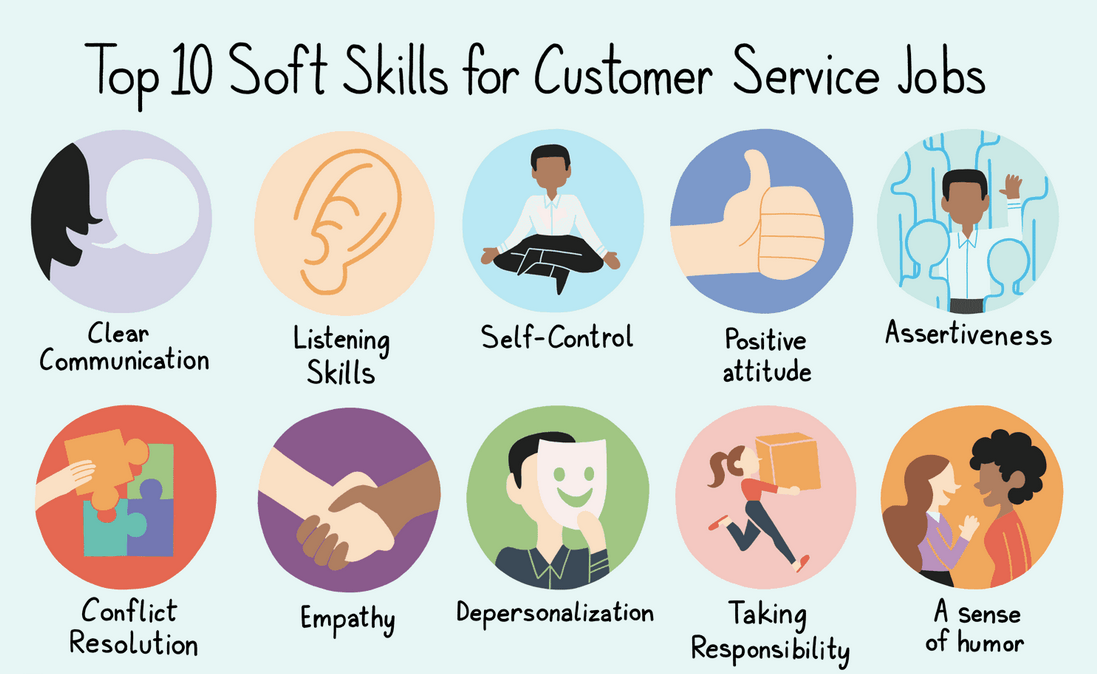
Beyond technical expertise, soft skills play a pivotal role in determining a web chat agent's effectiveness. Patience and a calm demeanor are essential when dealing with frustrated or demanding customers. Active listening ensures the agent fully understands the customer's concerns. Empathy allows for personalized responses that build rapport and foster positive customer experiences. Finally, strong organizational skills allow agents to manage multiple chats simultaneously without sacrificing quality or responsiveness. This blend of technical and interpersonal abilities forms the foundation of a successful career in web chat.

Career Progression and Opportunities

The field of web chat support offers significant career progression opportunities. Proficient agents can advance to supervisory roles, overseeing teams and optimizing chat processes. Others might specialize in specific areas, such as technical support or sales, becoming subject matter experts within their respective domains. Furthermore, the skills honed as a web chat agent are highly transferable, opening doors to related fields like social media management, online marketing, or even customer success roles. The versatility and growing demand associated with this profession ensures a robust and rewarding career path.

Advantages of a Career in Web Chat

A career in web chat offers several attractive advantages. Many companies offer flexible work arrangements, allowing for remote work and tailored schedules. The industry offers consistent training and development opportunities, equipping agents with in-demand skills. The competitive salaries reflect the growing importance of this customer service function. Moreover, the ever-evolving nature of the field keeps the work engaging and intellectually stimulating.

The Future of Web Chat Jobs

The future of web chat jobs looks exceptionally promising. As businesses increasingly rely on online communication, the demand for skilled web chat agents will only intensify. The integration of artificial intelligence (AI) and automation will undoubtedly impact the field, but rather than replacing human agents, it will likely augment their capabilities, allowing them to focus on more complex and nuanced interactions. This symbiotic relationship between human expertise and technological advancements will redefine the web chat agent role, creating even more specialized and rewarding career opportunities in the years to come.

In conclusion, web chat jobs represent a dynamic and expanding sector within the customer service industry. The skills acquired are highly sought after, opening doors to diverse career paths and ensuring job security in a constantly evolving digital landscape. For those seeking a challenging, rewarding, and future-proof career, a role in web chat support may just be the perfect fit.

Negotiating Salary for Web Chat Jobs: Know Your Worth

Negotiating Salary for Web Chat Jobs: Know Your Worth

Negotiating Salary for Web Chat Jobs: Know Your Worth

Landing a web chat job is exciting! It's a dynamic role blending communication skills with technical savvy. But securing the salary you deserve requires preparation and confidence. This guide arms you with the knowledge and strategies to navigate salary negotiations effectively, ensuring you're fairly compensated for your skills and experience.

Researching the Market Value of Your Skills

Before you even consider a salary figure, thoroughly research the market rate for web chat agents with your experience level and skillset. Don't rely solely on job postings; actively seek out salary data. Websites like Glassdoor, Salary.com, and Payscale offer valuable insights into average salaries, factoring in location, company size, and specific job responsibilities. Look for roles that closely mirror your own â€" consider factors like the type of industry (e.g., e-commerce, tech support, healthcare), required languages, and the complexity of the chat platform used. The more specific your search, the more accurate your salary range estimate will be.

Considering Your Unique Value Proposition

Your research provides a baseline, but remember you bring unique skills and experiences to the table. Consider these factors when determining your worth: Do you possess specialized technical knowledge, like experience with specific CRM or chat software? Are you multilingual? Do you excel in handling complex customer issues or de-escalating challenging situations? Quantify your achievements whenever possible. For example, if you've consistently exceeded customer satisfaction targets in previous roles, highlight these successes with concrete numbers. This demonstrates your value and justifies a higher salary expectation.

Preparing for the Salary Negotiation

Salary negotiations aren't about demanding; they're about presenting a confident and well-supported case. Begin by identifying your target salary range (minimum, ideal, and maximum). This range should reflect your research and the value you bring. Practice articulating why you deserve your desired salary. Focus on your skills, experience, and accomplishments, highlighting their relevance to the specific job requirements. Prepare answers to potential questions about your salary expectations, emphasizing your confidence in your abilities and value to the company. Role-playing with a friend or mentor can help refine your delivery and build your confidence.

Strategies for a Successful Negotiation

When the salary discussion arises, approach it professionally and proactively. Avoid immediately stating a number; instead, let the employer initiate the conversation. Once they present an offer, take time to consider it before responding. If the offer is lower than your target range, express your appreciation but politely counter with your desired salary, justifying your request using the research and evidence you've compiled. Be prepared to negotiate, but also be realistic. Consider the overall package â€" benefits, opportunities for growth, and company culture â€" as these contribute to your overall compensation.

Navigating Difficult Scenarios

Negotiations don't always go smoothly. If the employer firmly refuses to budge on their initial offer, consider asking for something else besides a direct salary increase. This could include additional paid time off, professional development opportunities, a quicker promotion timeline, or improved benefits. Alternatively, respectfully decline the offer if it significantly falls below your minimum acceptable salary. Remember, your worth is reflected in your skills and experience. Don't undervalue yourself to secure a position.

Key Takeaways

Negotiating a salary requires preparation, confidence, and a clear understanding of your worth. By researching market rates, quantifying your skills, and practicing your negotiation strategy, you'll significantly improve your chances of securing a fair and competitive salary for your web chat job. Remember, your value extends beyond a number â€" it's about finding a role that offers both compensation and professional fulfillment.

  • Thoroughly research market rates for similar roles.
  • Quantify your achievements and unique skills.
  • Develop a clear salary range before negotiations.
  • Practice articulating your worth confidently.
  • Be prepared to negotiate and consider the overall package.